
Civilian Use of Force
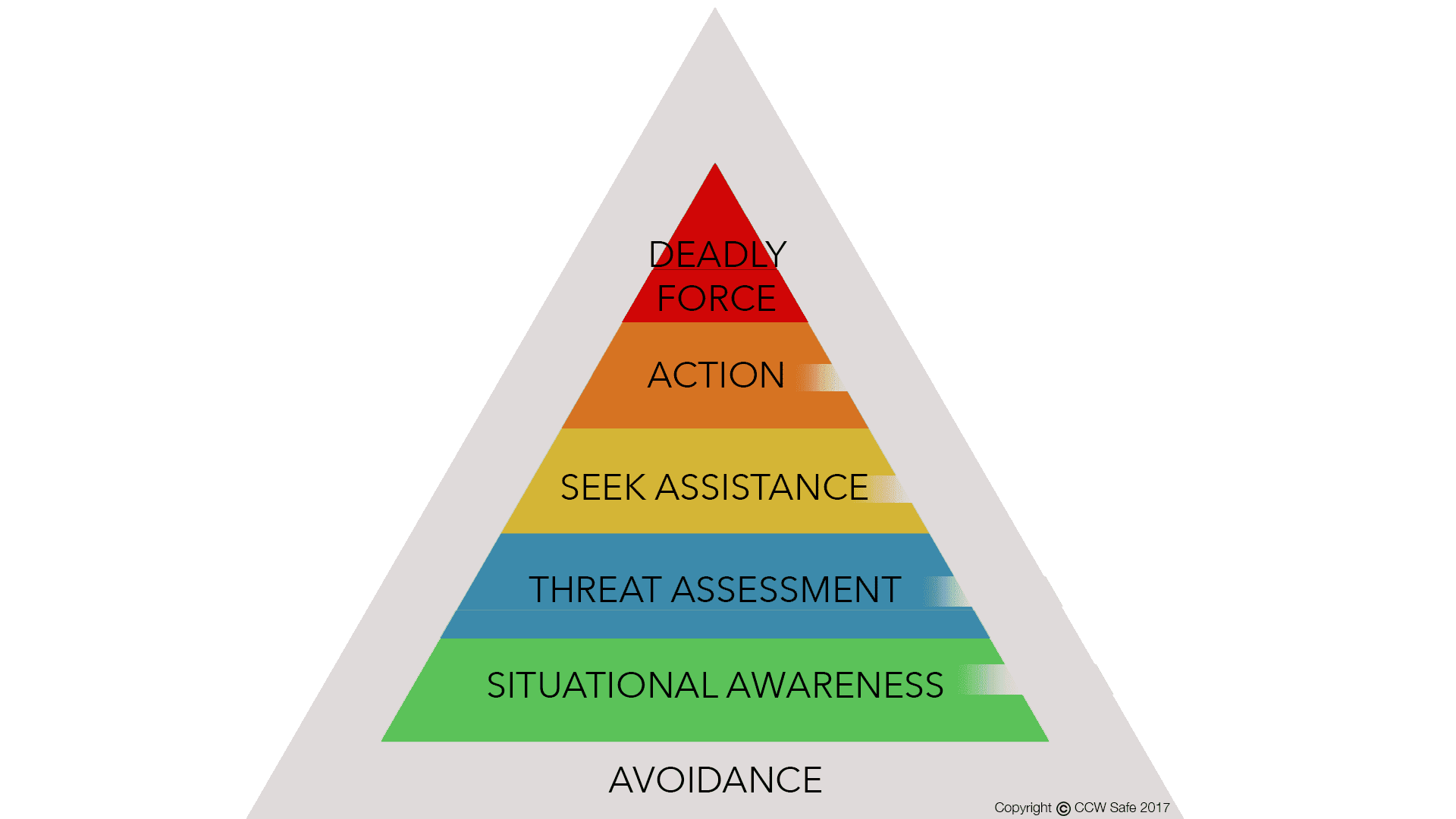
The civilian use of force continuum is a framework that provides guidelines for civilians on how to appropriately respond to threats, using a step-by-step approach from non-violent communication to potentially lethal force. It's similar to the use of force continuum used by law enforcement, but tailored for civilian self-defense situations.
Key Aspects of the Civilian Use of Force Continuum:
Non-Violent Options: This includes communication, de-escalation techniques, and avoiding the situation altogether.
Less-Lethal Force: This may involve the use of personal alarms, pepper spray, or other non-lethal devices.
Lethal Force: This is the last resort and should only be used when there is a credible threat of death or serious bodily harm.
Important Considerations:
Legal Requirements: Different states have different laws regarding self-defense and the use of force. It's crucial to understand the legal framework in your jurisdiction.
Training and Preparation: Understanding the continuum and practicing self-defense techniques can improve your ability to respond appropriately in a dangerous situation.
Situational Awareness: Being aware of your surroundings and potential threats can help you avoid escalating situations.
Escalation and De-escalation: The continuum emphasizes using the least amount of force necessary to gain control of the situation, and potentially de-escalating if the threat subsides.
Avoiding Excessive Force: It's essential to use only the force that is reasonably necessary to defend yourself or others.


Comments